Photo History of Manufacturing in Halton Hills (EsquesingTownship)
During the past couple of years Canadian manufacturing has come under tremendous pressure as a result of new American tariffs. Trading practices between Canada and the United States have a long history, sometimes with increased tariffs and sometimes with more free trade. During this time there have been a few significant trade agreements and disputes.
When the Reciprocity Treaty of 1854 was signed much of our industry consisted of activities related to the mills in Esquesing Township. Leather manufacturing in Acton and Paper production in Georgetown was just beginning.
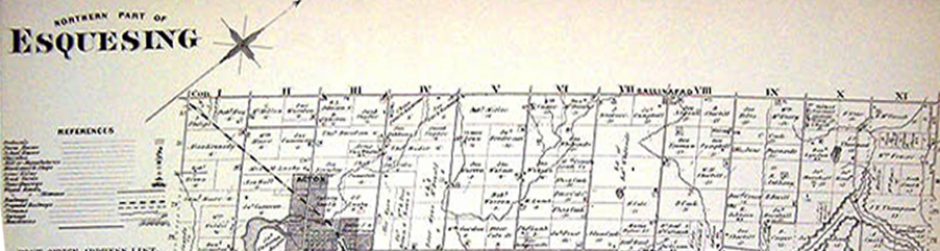
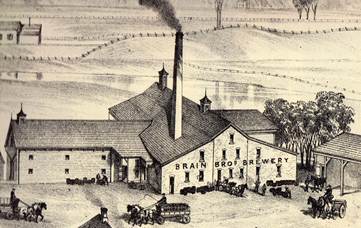
When John A. Macdonald introduced his National Policy in 1878 it was Canada that favoured protectionism to support fledgling industries to grow and provide goods for Canadians. The 1877 Historical Atlas of Halton County lists some diverse manufacturing such as paint production in Limehouse and Georgetown, a pump factory in Ballinafad, stone quarry in Silvercreek, Brain Brother’s brewery in Hornby and other manufacturers in the hamlets and towns of Esquesing.
When Prime Minister Brian Mulroney and U.S. President Ronald Reagan introduced free trade in 1989 it brought both positive and negative affects to the manufacturing in this area.
The following photos and brief descriptions represent some of our industries during the past two hundred years in Halton Hills.
NINETEENTH CENTURY
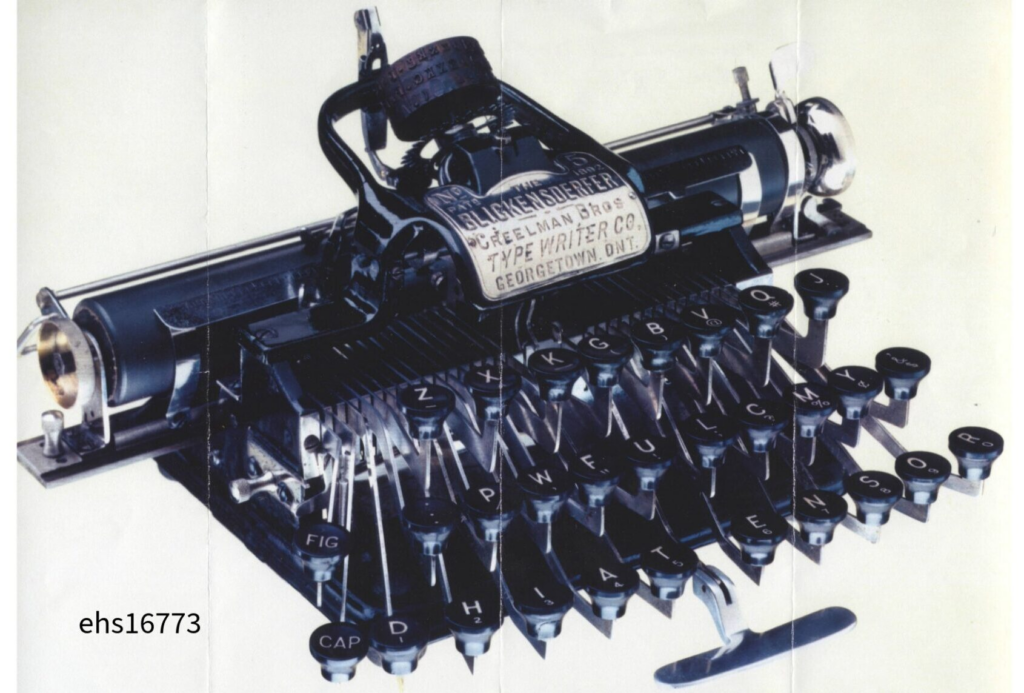
Creelman Brothers was established in 1876, becoming a leader in the manufacture of knitting machines for home and commercial use. Creelman’s also manufactured typewriters. During the height of its success in the 1890’s the firm was placing orders internationally from France, Spain and New Zealand. However, in the 1930’s the company closed and the building on Main St., Georgetown was remodeled into shops and apartments. After fire razed the building in 1967 the old factory building was demolished and replaced with a new building in 1968.
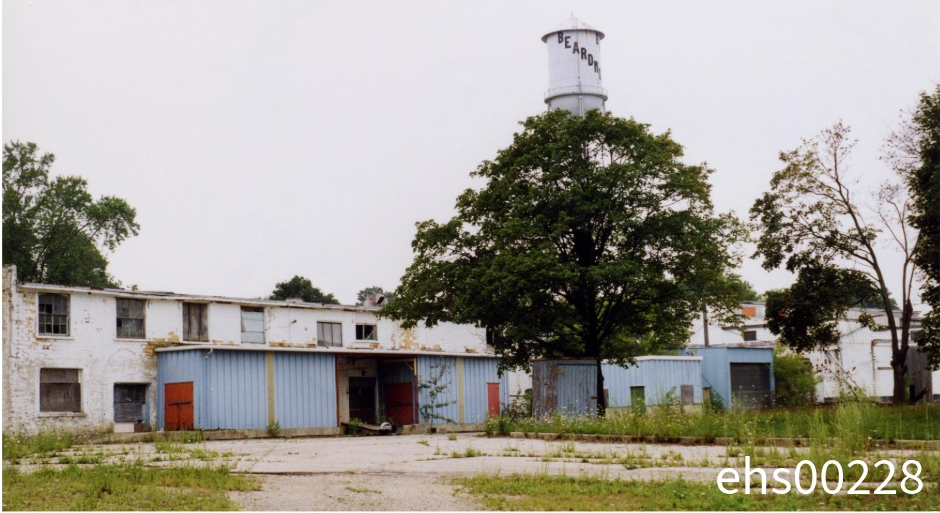
Beardmore Tannery (photo 1970) was established in 1865 when George Beardmore bought the Acton tannery. There had been a few leather manufacturers before him and others in subsequent years. It became the largest tannery in the British Empire. The Beardmore Tannery complex closed in 1986 and the buildings were demolished in August 1998.
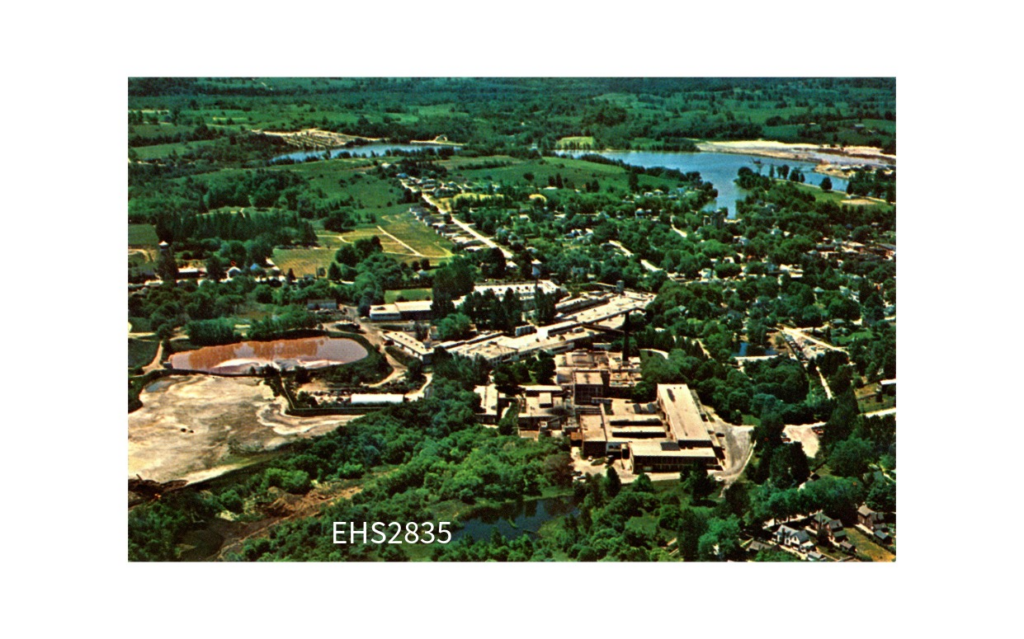
Barber Paper Mill was built by the Barber brothers in 1852 on the Credit River. In 1888 John R. Barber commissioned a Dynamo plant (100 hp generator) to be constructed a kilometre down river from the mill. This was the first long distance transmission of hydro-electric power for manufacturing purposes in North America.
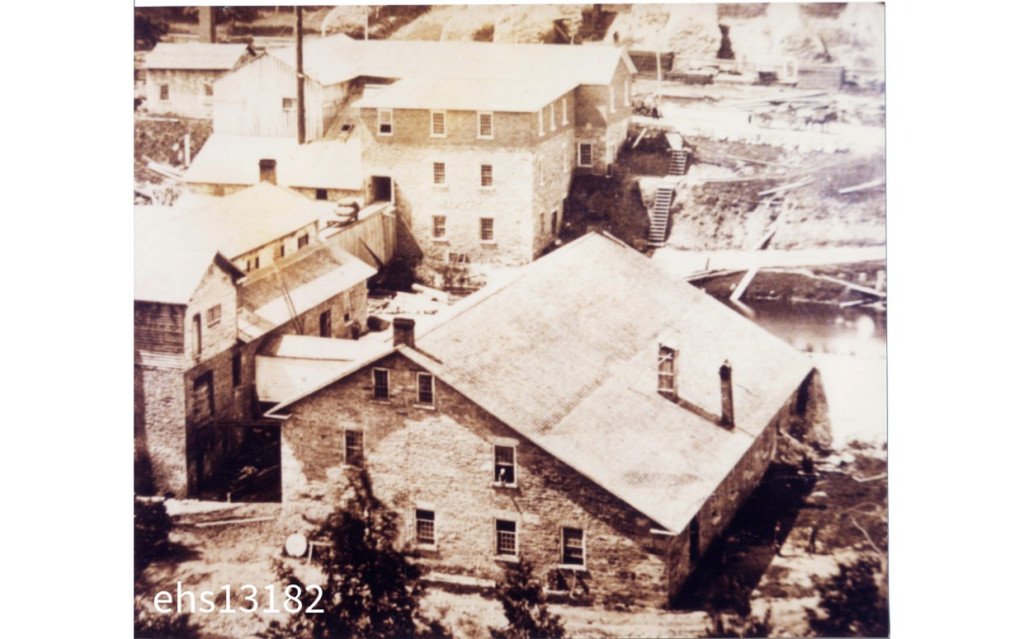
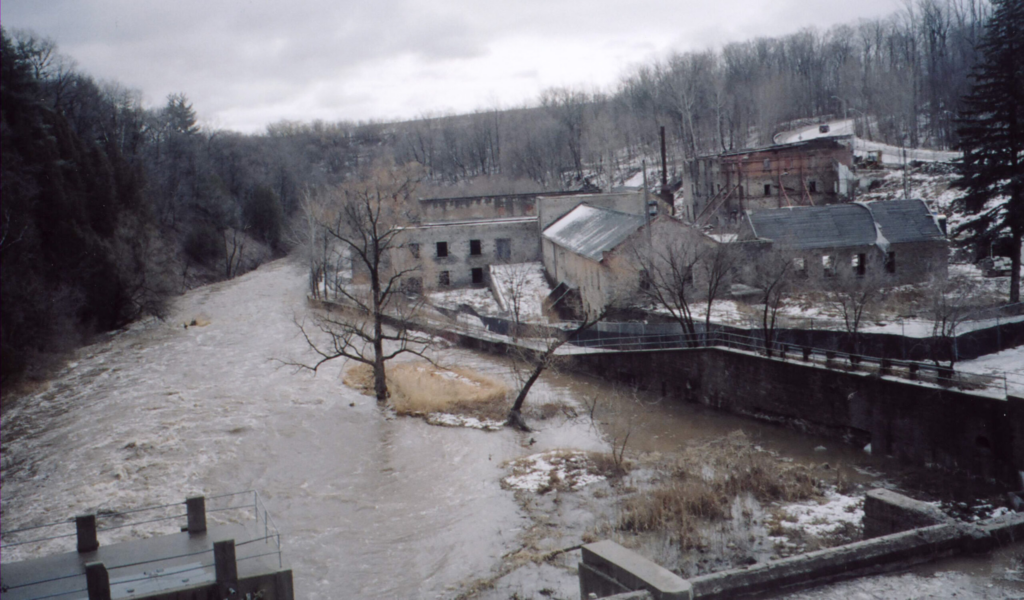
Beaumont Knitting Mill was established in 1882 by Samuel Beaumont who purchased the Glen mill and started business. However, fire soon destroyed part of the mill but Samuel built a new three story stone building. Art Beaumont, the son, continued the business after his father’s death until his retirement in 1957. The business continued with new ownership. Today it is the Beaumont Antique Market.
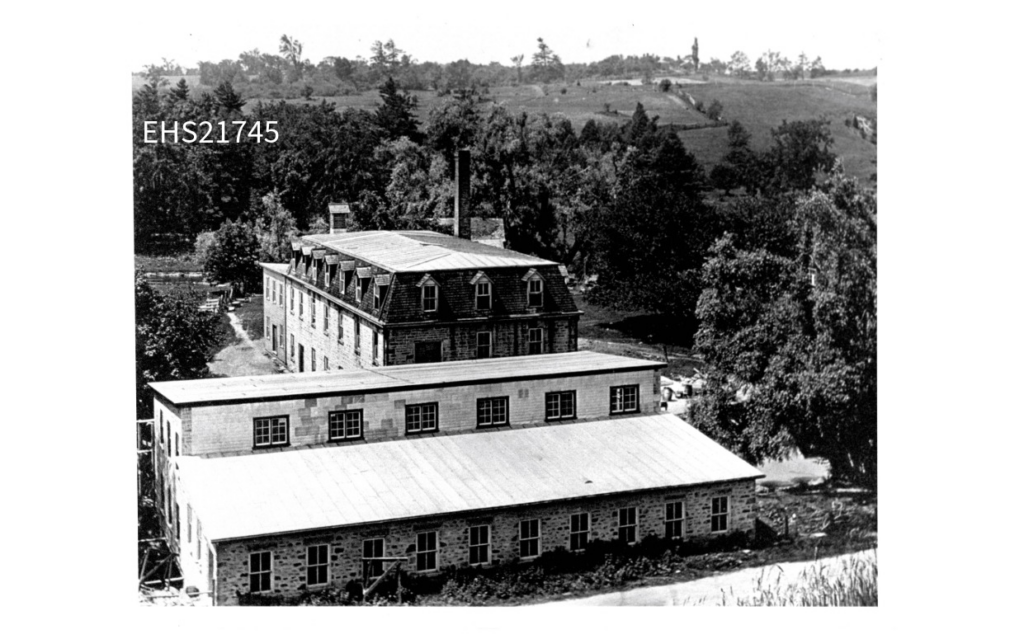
Acton Flour Mill originally belonged to Henry Tucker and then Simon Plewes who ran the mill from 1850 to 1876 when he tragically drowned in a mill race. It has long been known as the Lindsay Flour Milluntil it was sold to P&H Milling Group. This is a division of Parrish Heimbecker which stands as the largest Canadian-owned milling company, presently operating nine strategically located flour mills.
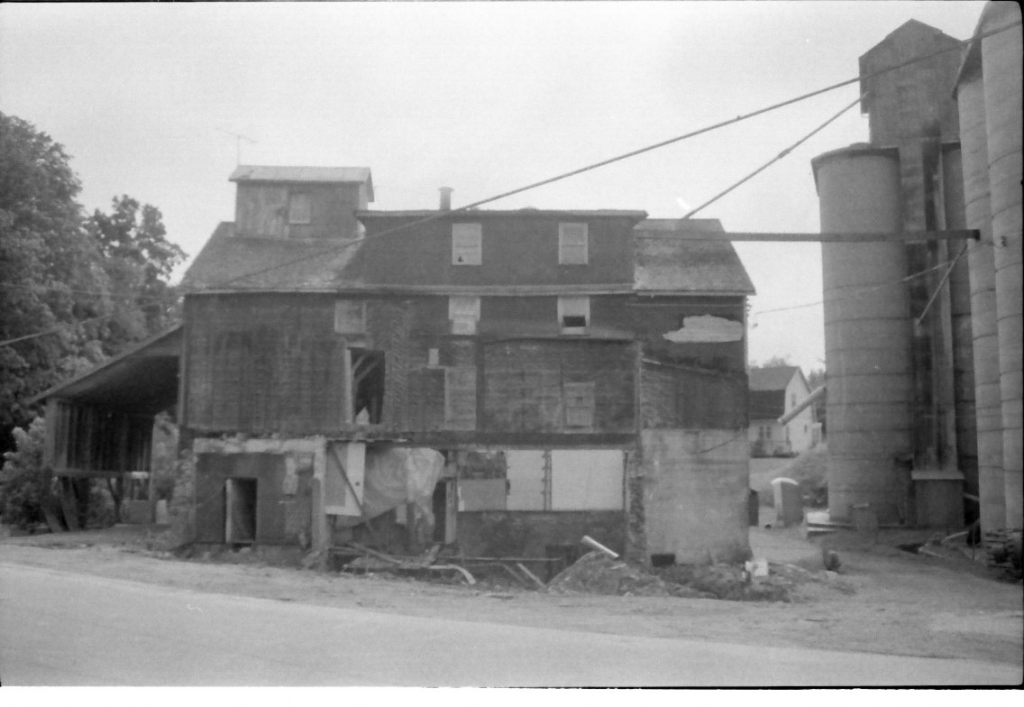
The Glen Woollen Mill (Glen Textiles) was located on Main Street, Glen Williams. The Glen Woollen Mills were destroyed by fire in 1954 ending 115 years of production. Note the elevator on main building at left.
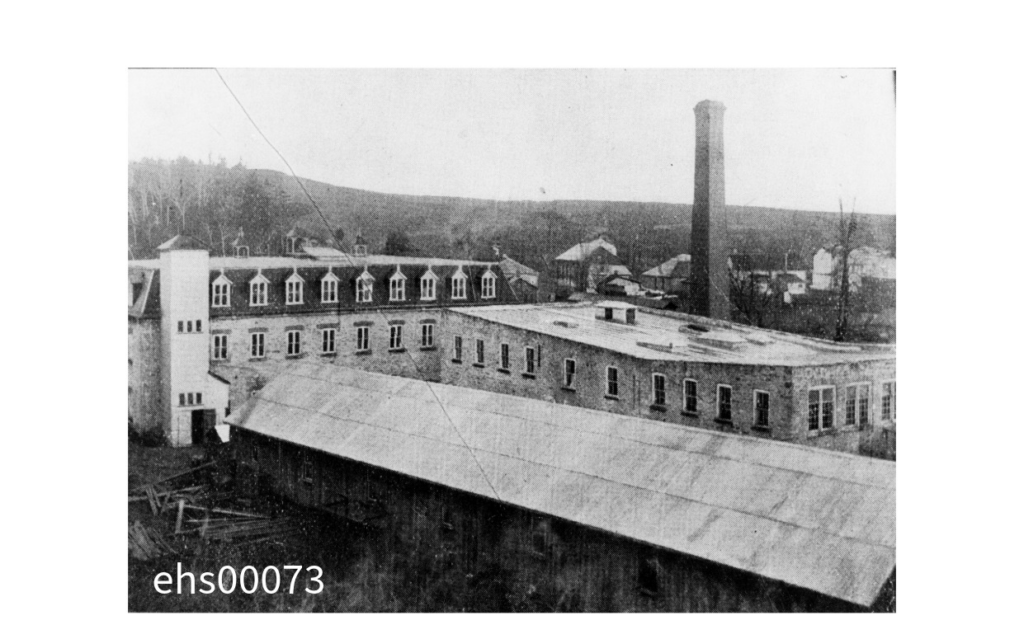
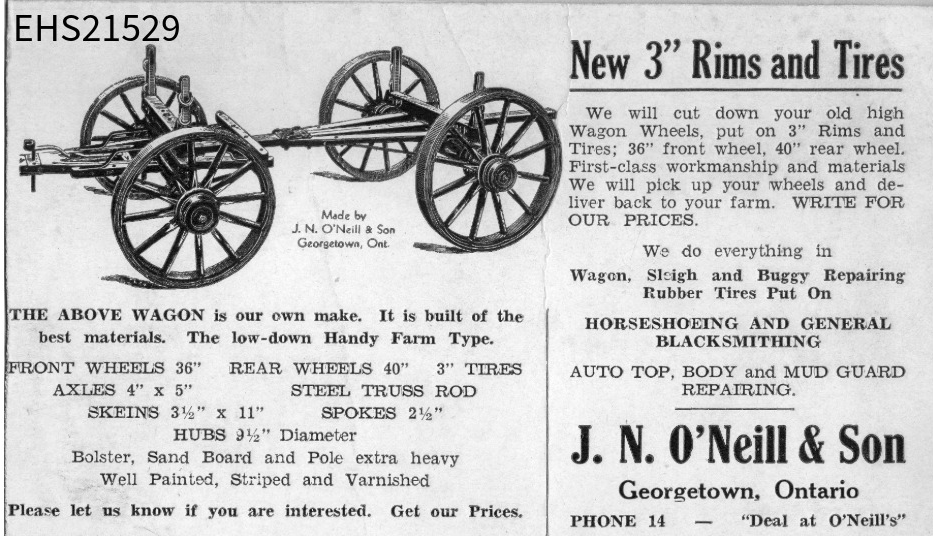
O’Neill & Sons was located at the corner of Wesleyan St. and Main Street, Georgetown. The advertising blotter features a low-down handy farm wagon frame and wagon wheels with 3” rims and tires. O’Neill also specialized in horseshoeing and blacksmithing. Later he owned the first Ford Agency in the early days of the automobile.
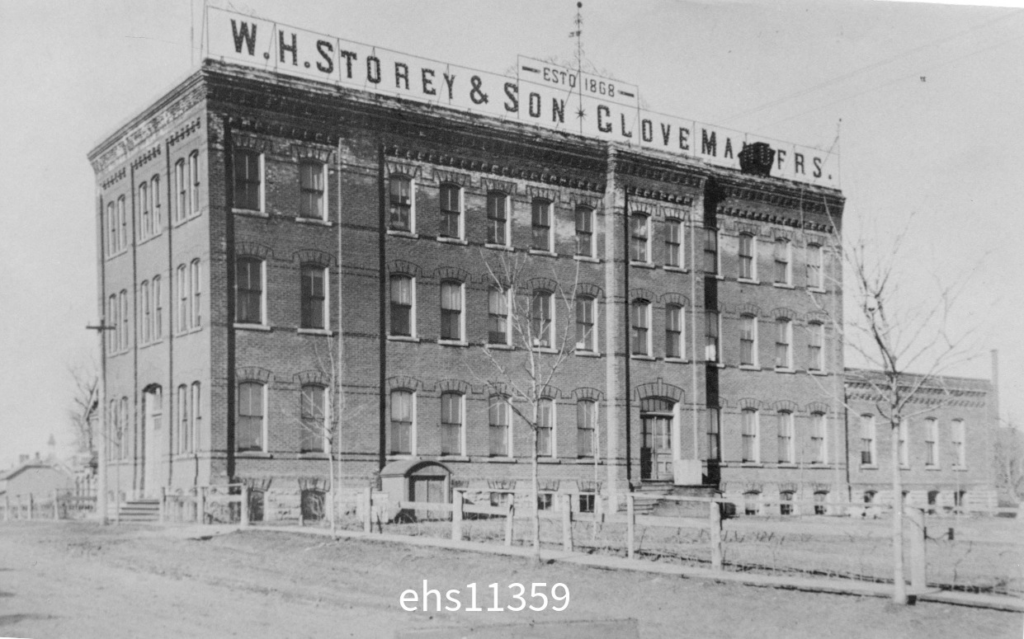
The W. H. Storey and Son three-storey brick factory was built on Bower Avenue, Acton in 1884. The glove manufacturer’s 100 foot sign across the top of the building was lit up with the advent of electricity in 1899 and could be seen from the trains travelling through Acton. The building was razed to make room for the new post office in 1965.
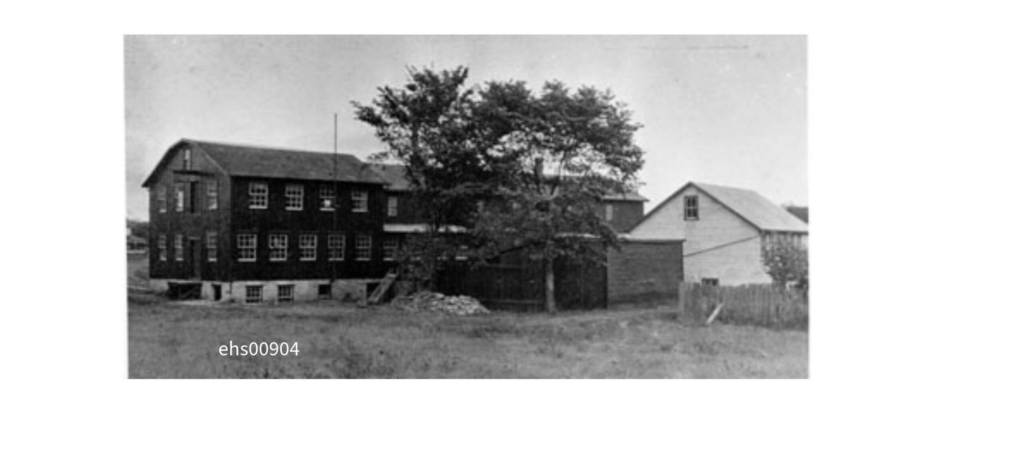
Dayfoot Shoe was built by John B. Dayfoot when he returned to Georgetown in 1859 to run the Boot and Shoe Manufactory. In 1869 Dayfoot opened a retail outfit for his boots and shoes. The company continued under the Dayfoot family until it was sold in 1945 and closed two years later.
EARLY TWENTIETH CENTURY
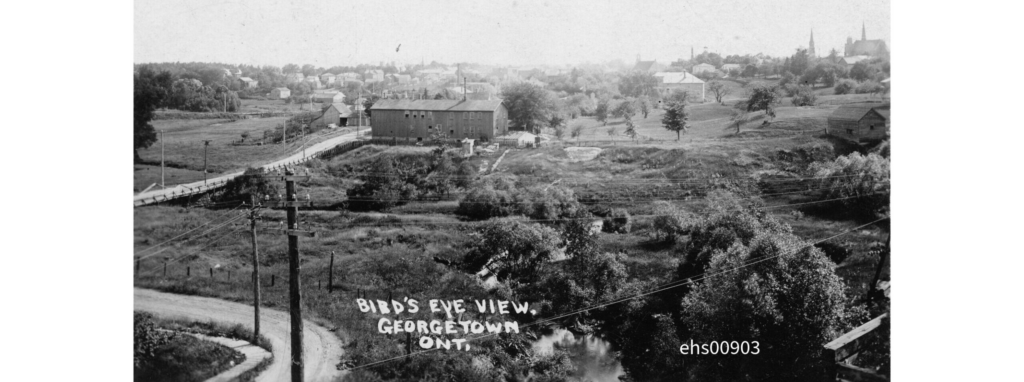
The Barber Coated Mill was established in 1905 in the strategic location beside the railway tracks. The Barber Paper Mills on the Credit River required a coating mill so they hired Edward Fleck to supervise the construction of the Coated Mill. It was later known as Provincial Paper and eventually Abitibi paper.
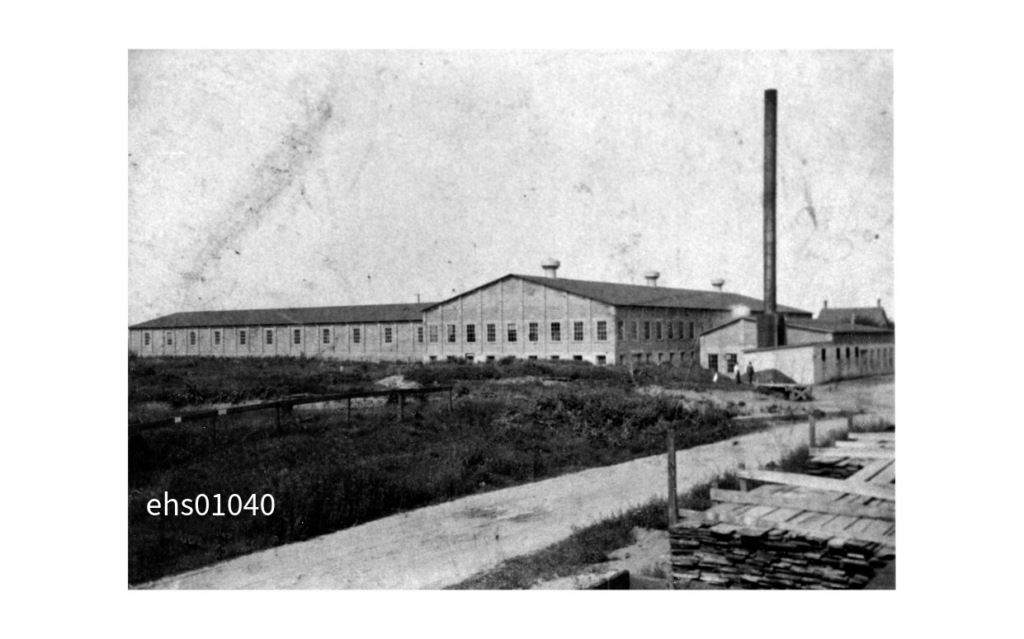
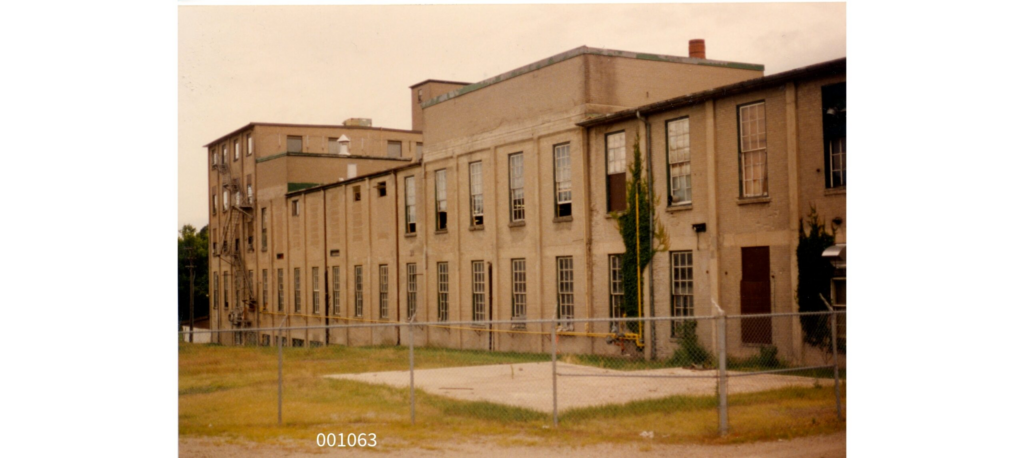
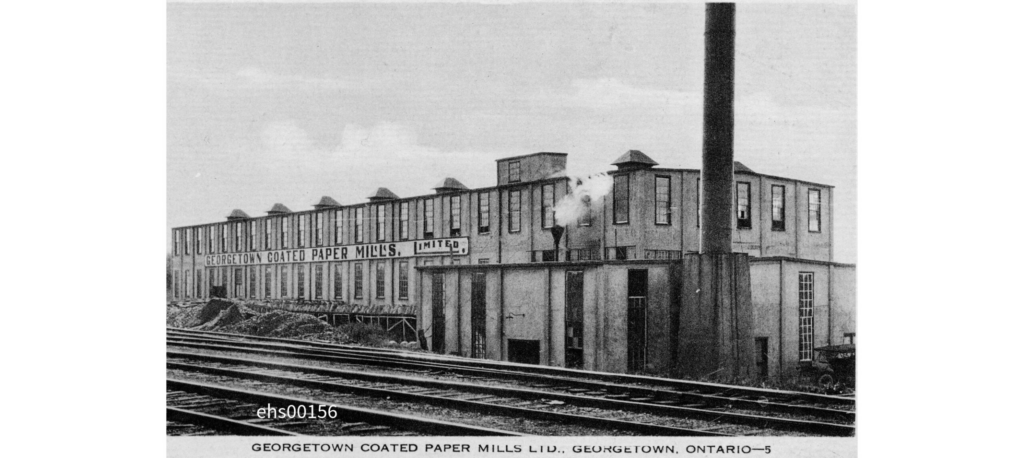
Georgetown Coated Paper Mill, located across the road from the train station,was opened in 1910 by Ed Fleck and John Willoughby,. In 1928 the company amalgamated with Howard Smith Paper under the name Alliance Paper Mills. Domtar purchased it in 1959 and continued until closing in 1977.
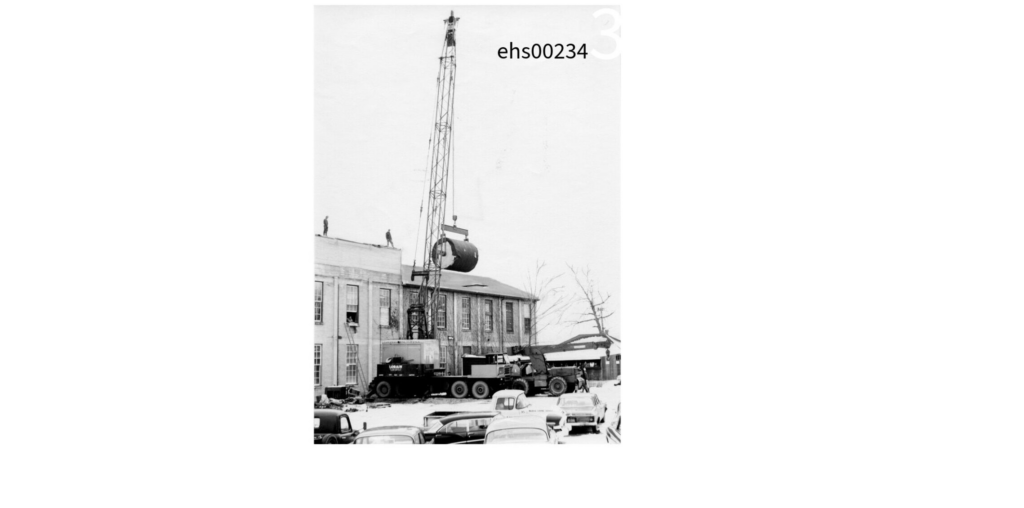
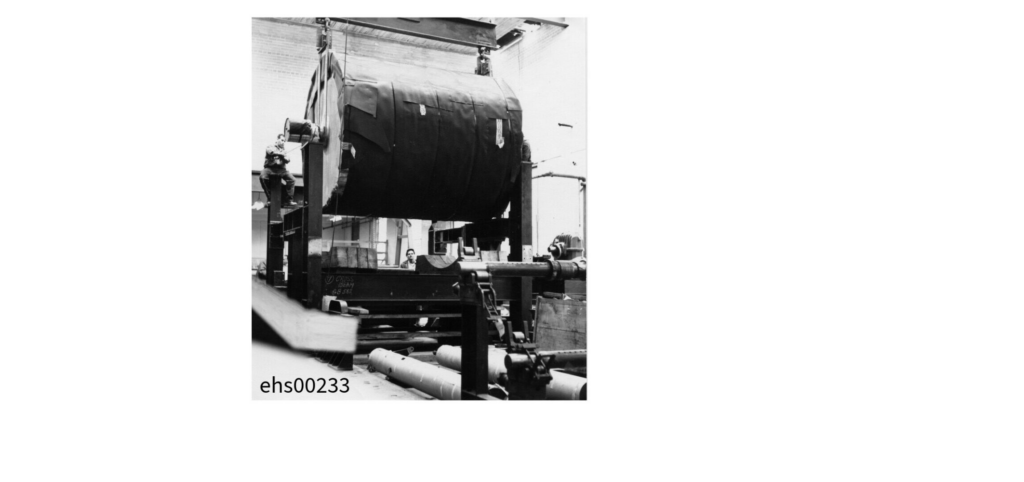
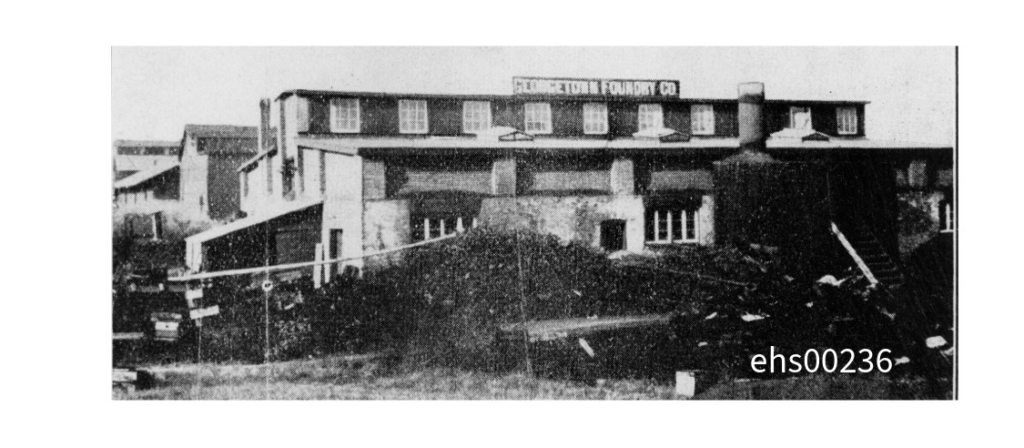
Georgetown Foundry Co was founded in September 1912 by Messrs. C. Young, E. Seifreid and R. McCuaig. They purchased the ruins of a knitting factory destroyed by fire several years before and had it rebuilt. It was near the railway station.
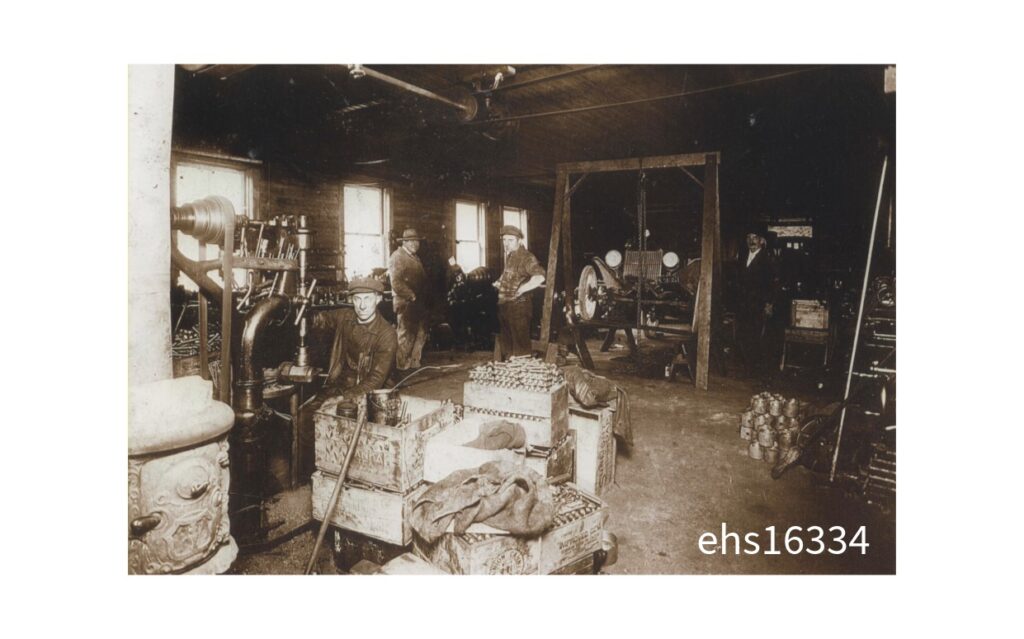
Blow Press, founded in 1918 as the Acton Machine Shop, engineered and built bench presses that cut or shaped a piece of metal. The original Blow Press factory was located on Main Street South, Acton on the west side where a strip plaza is now located. Blow Press moved to Guelph in 1985.
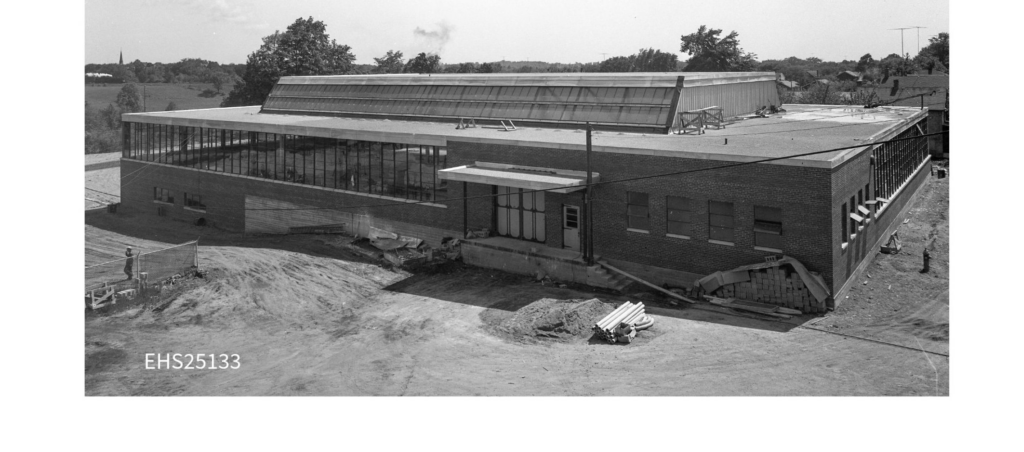
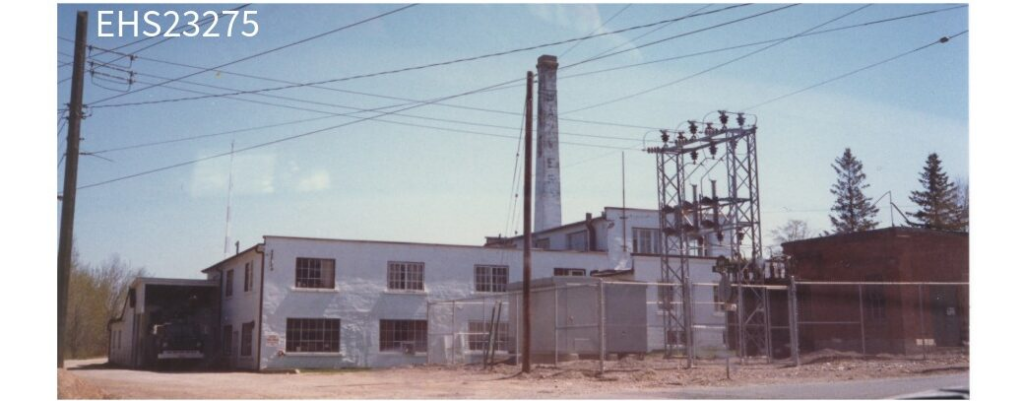
Smith & Stone was establishedby William Smith and Barnet Stone in 1919 when they purchased a business in Georgetown, converting it into an electrical wiring device manufacturer under the name of Smith and Stone Inc. In 1944 it was bought by Duplate Canada which under its owners Colonel Phillips and Brigadier Wallace it produced steatite, a very dense ceramic used in the insulation of high frequence radar needed for the war effort. Eventually the company merged with Canadian General Electric who in 1980 sold it to six employees. The plant closed in 1992 as a result of the recession and NAFTA.
Force Electric was established in the 1930’s by Ted and Harold Force who set up their company in the former Hewitson shoe factory on Eastern Avenue in Acton. They produced small electrical appliances such as rangettes, hot plates, toasters, etc.
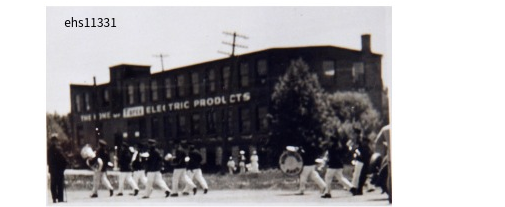
Baxter Travenol Laboratories, located at 59 Willow Street, Acton, was started in 1931 by Donald Baxter and Ralph Falk of Boise, Idaho to make supplies for intravenous systems in hospitals. The company, based in Illinois, is still in operation but the Acton plant was closed in 1957 when the company relocated to Alliston. The Acton Free Press used the facility in the following years.
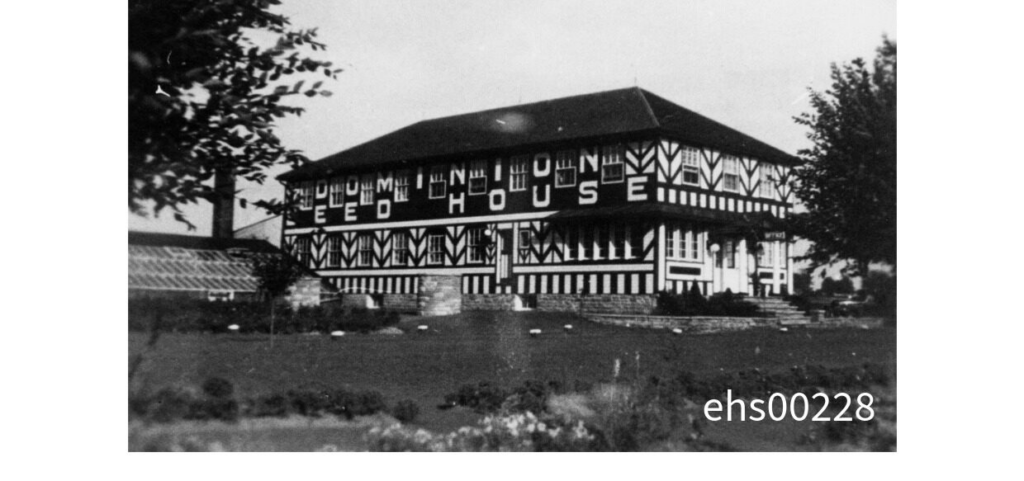
The Dominion Seed House was established by William Bradley in 1928. His mail order seed business flourished, selling seeds across Canada. In 1937 the new mail order offices (photo) opened becoming a Georgetown landmark. In 1994 it closed. The stone ruins are all that remain in the Dominion Gardens park.
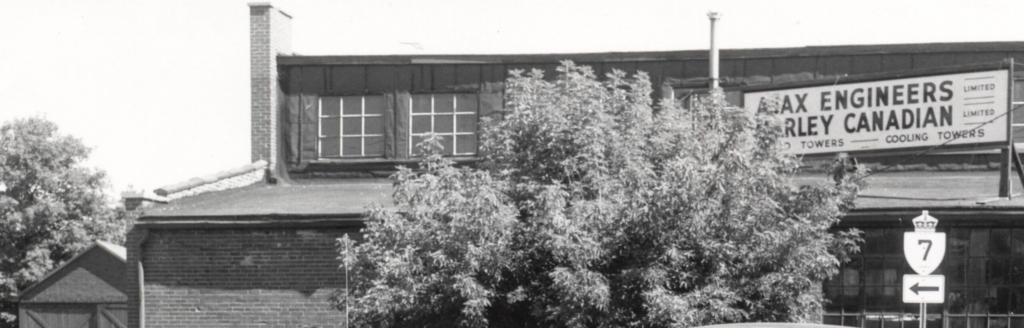
Ajax Industries & Marley Canadian was located on Queen St. Acton where the Shoppers Drug Mart and TD bank are now located. The company began opreration in the mid 1930’s producing forest ranger towers and residential, industrial and commercial water cooling towers.
MID TWENTIETH CENTURY
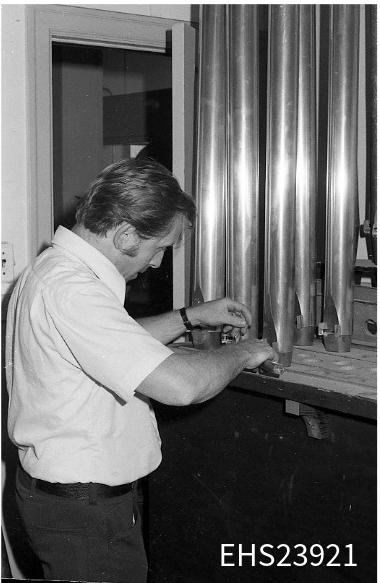
Keates-Geissler Organ Co. was established in 1945 and moved to Acton in 1961. The organ company was located in one of the old Beardmore buildings. They manufactured all organ components including some pipes for churches in Canada, USA and Barbados. They relocated to Guelph in 1993 when Canada Packers demolished the Beardmore buildings.
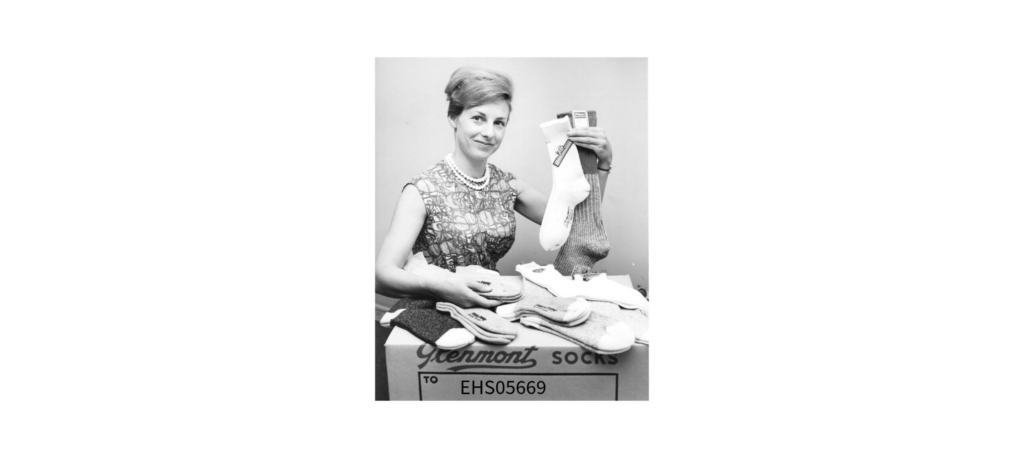
Glenmont Knitting employee, Sylvia (Norton) Graham, displays various types of woolen socks manufactured by Glenmont Knitting.
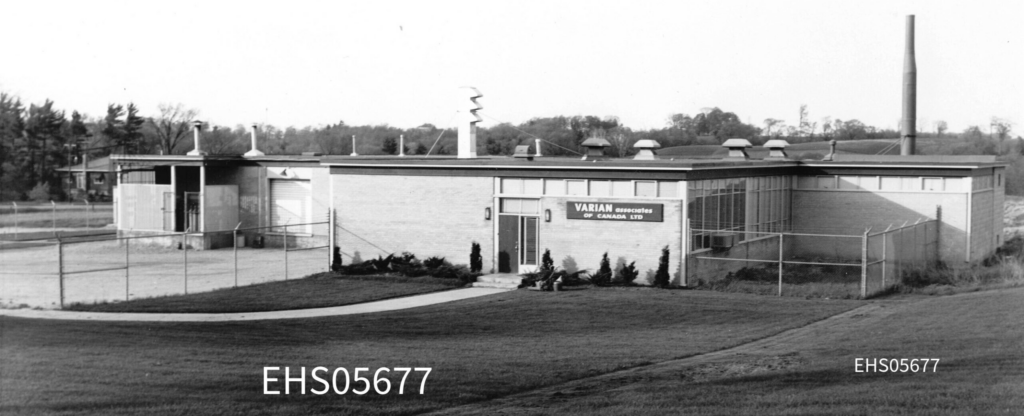
Varian Associates of Canada Ltd. factory was built at 45 River Drive in 1954, on the request by the Canadian government to create a local source for the production of microwave vacuum electron devices. In 1995 Varian became part of the newly formed CPI. CPI’s products can be found worldwide in groundbreaking systems that power all types of communications, mission-critical defense systems and life-saving medical systems that help diagnose diseases and fight cancer.
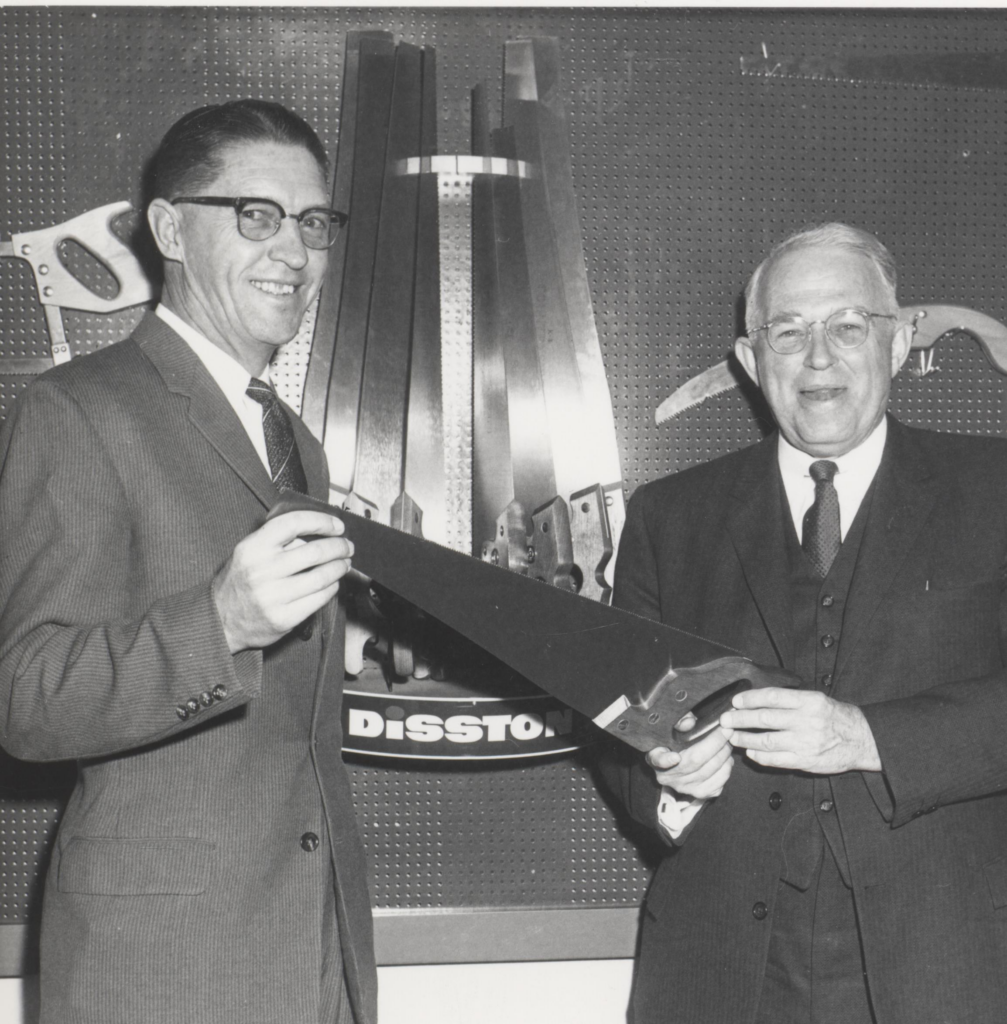
H.K. Porter acquired Disston in 1955, manufacturing the well known Disston hand saws
in the 1960s and 1970s, before the plant closed. These saws often bear “Halton Hills” or “Acton” stamps and are considered collectible Canadian-made versions of the famous Philadelphia-based tool brand. A new Disston Saw is held by the President and another man. (photo 1960)
Micro Plastics Ltd (Building Produsts) was established in Acton in 1945 to manufacture all kinds of plastic extrusions such as PVC pipe, lighting panels, moulded fittings and sheet goods. It was the first company in Canada to make such products. It is still located on Main St. North.